Scott 3200A Tailwheel – Fully Rebuilt: Precision Steering for Taildragger Aircraft
Scott 3200A Tailwheel – Fully Rebuilt: Precision Steering for Taildragger Aircraft
Blog Article
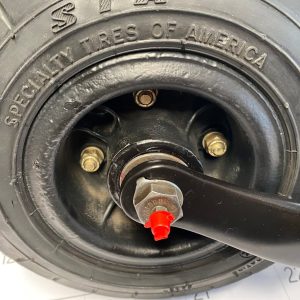
The Scott 3200A Tailwheel – Fully Rebuilt gives operators an alternative to an unknown used assembly when the rebuild process, component condition, and package contents are documented clearly. A fully rebuilt description should identify which bearings, bushings, springs, steering components, seals, fasteners, wheel parts, and wear items were replaced or retained.
A Scott 3200A Tailwheel Assembly can contribute to controlled taxiing, parking, takeoff alignment, landing rollout, and maneuvering in confined ramp areas. Professional rebuilding can renew worn mechanical relationships when suitable components and procedures are used.
A worn or incorrectly configured Aircraft Tailwheel Assembly can contribute to shimmy, poor tracking, binding, excessive swivel, uneven tire wear, or difficult maneuvering. The General Aviation Tailwheel should be selected according to aircraft weight, tail load, wheel size, spring arrangement, steering configuration, runway environment, and installation requirements.
Whether operators are sourcing a Heavy-Duty Aircraft Tailwheel, Tailwheel Aircraft Parts, or Aircraft Steering Tailwheel, condition and documentation should remain central.
Exploring the Scott 3200 Tailwheel Design
The Scott 3200A combines mechanical steering and swivel functions in a design familiar to many tailwheel pilots, restorers, and aviation maintenance professionals. The tailwheel operates together with the aircraft tail spring, steering chains or links, steering springs, rudder system, attachment bolts, and surrounding structure.
Maintaining a Scott 3200A Tailwheel Assembly
Suitable internal clearances and secure steering components contribute to consistent performance. The exact work completed should be listed clearly because rebuilt assemblies may differ in scope and component replacement.
Scott Tailwheel Assembly Service Quality
Correct lubrication and careful reassembly help restore smooth movement and reduce unnecessary wear. Transparent rebuild information supports stronger commercial credibility and buyer confidence.
Aircraft Tailwheel Assembly Maintenance
An Aircraft Tailwheel Assembly allows the rear of the airplane to roll and respond to steering input during ground movement. The tail spring and steering linkage strongly affect how the assembly responds to pilot input.
Benefits of a General Aviation Tailwheel
Pavement may increase tire wear and make shimmy more noticeable when alignment or adjustment is poor. Training aircraft may Tailwheel Steering Assembly accumulate frequent taxi and landing cycles, while bush airplanes may experience greater surface irregularity and impact loading.
Choosing an Aircraft Tailwheel
An Aircraft Tailwheel supports the rear fuselage and helps the airplane move during taxiing, parking, turning, takeoff, and landing. Abnormal wear may indicate misalignment, bearing problems, repeated shimmy, poor adjustment, or use on abrasive surfaces.
Choosing a Taildragger Tailwheel
Mechanical wear, poor alignment, or unsuitable steering adjustment can increase pilot workload. Repeated hard pivoting can increase wear on the tire, bearings, springs, steering arms, fork, and mounting hardware.
Understanding an Aviation Tailwheel System
An Aviation Tailwheel System includes the tailwheel assembly, tail spring, steering chains or links, steering springs, mounting hardware, surrounding structure, and its relationship with the rudder controls. Correct setup supports consistent Aviation Tailwheel System operation.
Tailwheel Steering Assembly Performance
A Tailwheel Steering Assembly converts rudder-related input into directional movement during taxiing and low-speed ground operations. Hardware should remain secure, correctly sized, and appropriate for the assembly.
Benefits of an Aircraft Ground Handling Tailwheel
Reliable ground handling begins with a serviceable assembly and a correctly adjusted installation. The tailwheel should not be used as an unsuitable lifting, pulling, or jacking point.
Scott 3200 Tailwheel Applications
Its established design supports servicing, adjustment, rebuilding, and parts replacement by knowledgeable aviation professionals. Buyers should verify markings, mounting dimensions, steering-arm arrangement, wheel configuration, and included components.
Benefits of a Heavy-Duty Aircraft Tailwheel
Rugged operations may involve gravel, grass, dirt, uneven surfaces, frequent cycles, contamination, and repeated loading. Even a robust assembly can wear quickly when the tail spring, steering links, mounting bolts, or alignment are incorrect.
Maintaining Tailwheel Components
Correct Tailwheel Aircraft Parts protect the integrity and performance of the rebuilt assembly. A weak spring, worn bushing, rough bearing, damaged pawl, or incorrect fastener may create movement throughout the mechanism.
Aircraft Tailwheel Directional Control
The assembly should respond without excessive delay, harsh engagement, binding, or uncontrolled movement. Uneven tire wear may indicate alignment, bearing, or steering concerns.
Installing a Replacement Aircraft Tailwheel
A Replacement Aircraft Tailwheel should be selected through exact aircraft application, mounting details, tail-spring configuration, steering arrangement, and suitable technical information. Rebuild documentation should accompany the assembly when available.
Buying General Aviation Landing Gear Parts
Main-wheel alignment, brake condition, tire pressure, and airframe rigging can influence how a taildragger behaves on the ground. The product description should explain whether components are rebuilt, repaired, serviced, inspected, untested, or sold for parts.
Scott Tailwheel Condition Checklist
A detailed inspection reduces uncertainty and supports a more informed transaction.
- Determine whether the sale includes the tire, wheel, axle, bearings, steering springs, chains, mounting bolts, fittings, and rebuild records.
- Arrange professional evaluation when rebuild quality, structural condition, or internal serviceability remains uncertain.
- Confirm the seller’s terms, written invoice, rebuild documents, payment protection, shipping insurance, packaging method, inspection period, and return conditions.
Professional Scott 3200A Installation
Installation should be completed by appropriately qualified personnel familiar with conventional-gear aircraft and mechanical tailwheel steering systems. The tailwheel should move through its intended range without binding, abnormal looseness, interference, or contact with surrounding components.
A post-installation inspection can confirm hardware security and reveal early movement marks.
Protecting a Rebuilt Tailwheel Assembly
The rebuilt assembly should be inspected according to aircraft use, operating surface, maintenance requirements, and observed condition. Early attention supports reliable long-term operation.
Responsible care supports dependable Scott Tailwheel Assembly performance.
Buying a Fully Rebuilt Scott Tailwheel
For the correct installation, the rebuilt assembly can support directional steering, controlled swiveling, predictable taxiing, and long-term serviceability. The strongest purchase decision begins with confirming model identity, rebuild scope, replaced components, retained parts, structural condition, tire status, steering arrangement, included hardware, and aircraft compatibility.
Whether the requirement is a Scott 3200A Tailwheel Assembly, Scott Tailwheel Assembly, Aircraft Tailwheel Assembly, or General Aviation Tailwheel, exact installation details should guide the purchase. With verified compatibility, correct installation, professional steering adjustment, suitable lubrication, and routine inspection, the assembly can provide dependable long-term value.
Report this page